

The UAE’s construction sector is powering ahead on the back of government-led diversification strategies and record project activity.
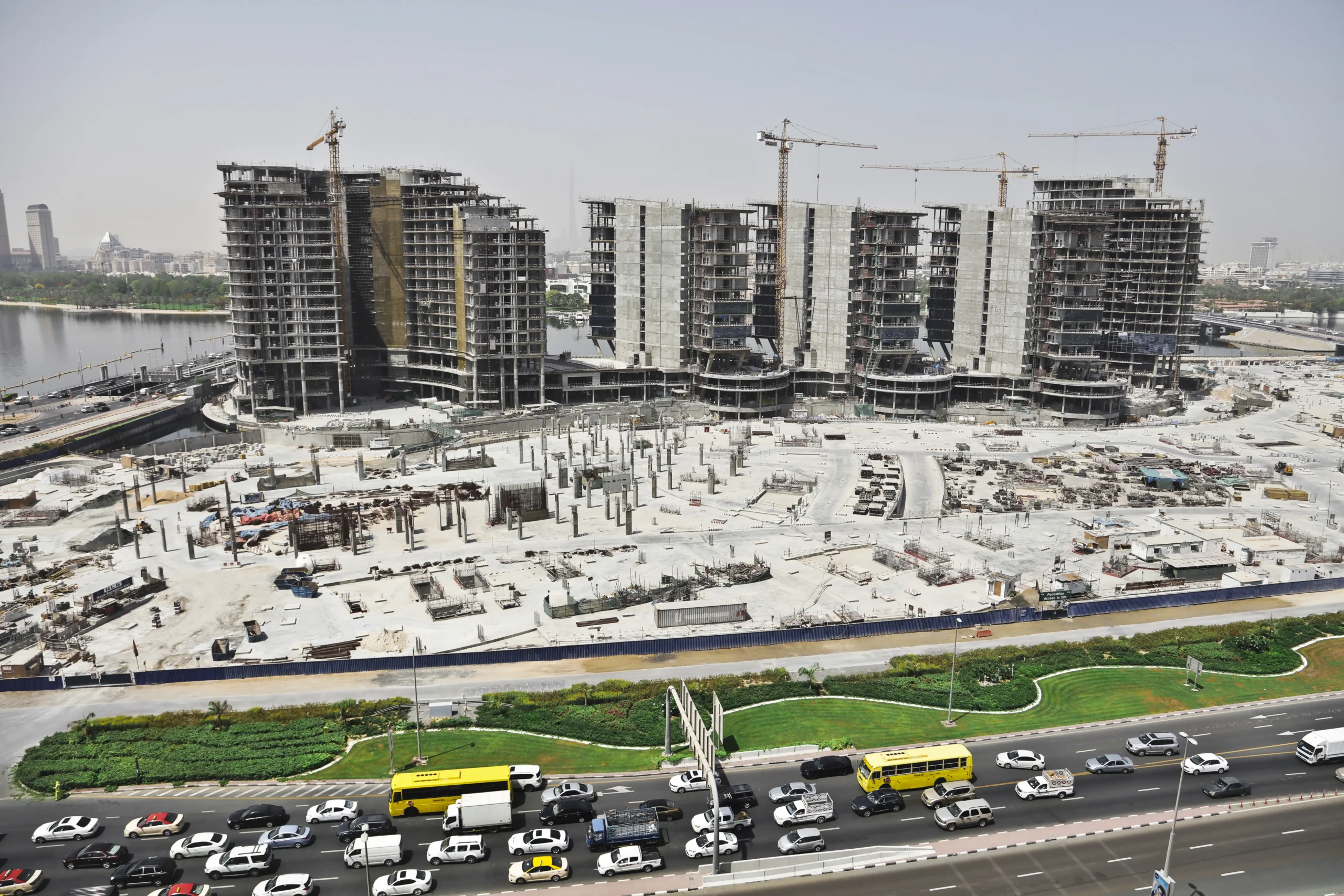
According to the recently issued Knight Frank’s UAE Construction Landscape Review 2025, industry output is forecast to rise from a record $107.2 billion in 2024 to $130.8 billion by 2029, growing at an annual rate of four percent. Between 2020 and August 2025, contracts worth $328.7 billion were awarded across the Emirates, cementing construction as the largest component of the development pipeline.
The sector accounts for 62 percent of upcoming projects, ahead of transport, power and water, with mixed-use and residential developments leading demand alongside emerging interest in data centres and hospitality.
Dubai and Abu Dhabi lead market activity
Abu Dhabi and Dubai together account for 85 percent of contract awards during the review period, worth $151 billion and $129.9 billion respectively. Dubai’s project activity is concentrated in construction, representing 75 percent of its pipeline, while oil and gas make up just three percent, underscoring the emirate’s success in diversification. In contrast, Abu Dhabi’s market remains more balanced, with oil and gas projects still dominant at 40 percent, compared to 23 percent for construction.
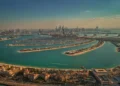
In Dubai, major upcoming developments include Palm Jebel Ali, The Oasis by Emaar, Marsa Al Arab, Naia Island and the expansion of the Metro system through the 15km Blue Line, scheduled for completion by 2029. Abu Dhabi is investing heavily in infrastructure, with a 150km high-speed rail link to Dubai expected by 2030, alongside the planned 131km metro system. Residential growth is also a priority, with over 33,000 units under construction and scheduled for delivery by 2029, most of them apartments.
Faisal Durrani, Partner, Head of Research, MENA, at Knight Frank, said: “The UAE construction industry is in a period of robust growth and transformation, driven by economic diversification, tourism and strategic infrastructure investments. The sector is a key pillar in the ‘We the UAE 2031’ vision, the D33 Economic Agenda, Dubai’s 2040 Urban Masterplan and Abu Dhabi’s Vision 2030.”
Population growth is a key driver, with Dubai’s residents projected to rise from 3.4 million in 2020 to 5.8 million by 2040, while the UAE as a whole targets 13.6 million by the same year. This is fuelling demand for housing, offices and hotels, with Dubai alone seeing 8.2 million square feet of office space under construction and hotel occupancy averaging 81.4 percent in the first half of 2025, among the highest globally. Foreign investment remains strong, with Dubai ranked the world’s top recipient of FDI into greenfield projects for three consecutive years. Residential prices in the city now stand 22 percent above the 2014 peak, while it has retained its title as the world’s busiest market for $10 million homes since 2022.
“Continuous strategic economic development is reshaping Dubai’s commercial real estate landscape and the latest construction output figures reflect the strong fundamentals of the market. Demand is likely to exceed supply in the coming years, further supporting momentum in the sector,” said Moataz Mosallam, Partner, Project and Development Services, MENA.