

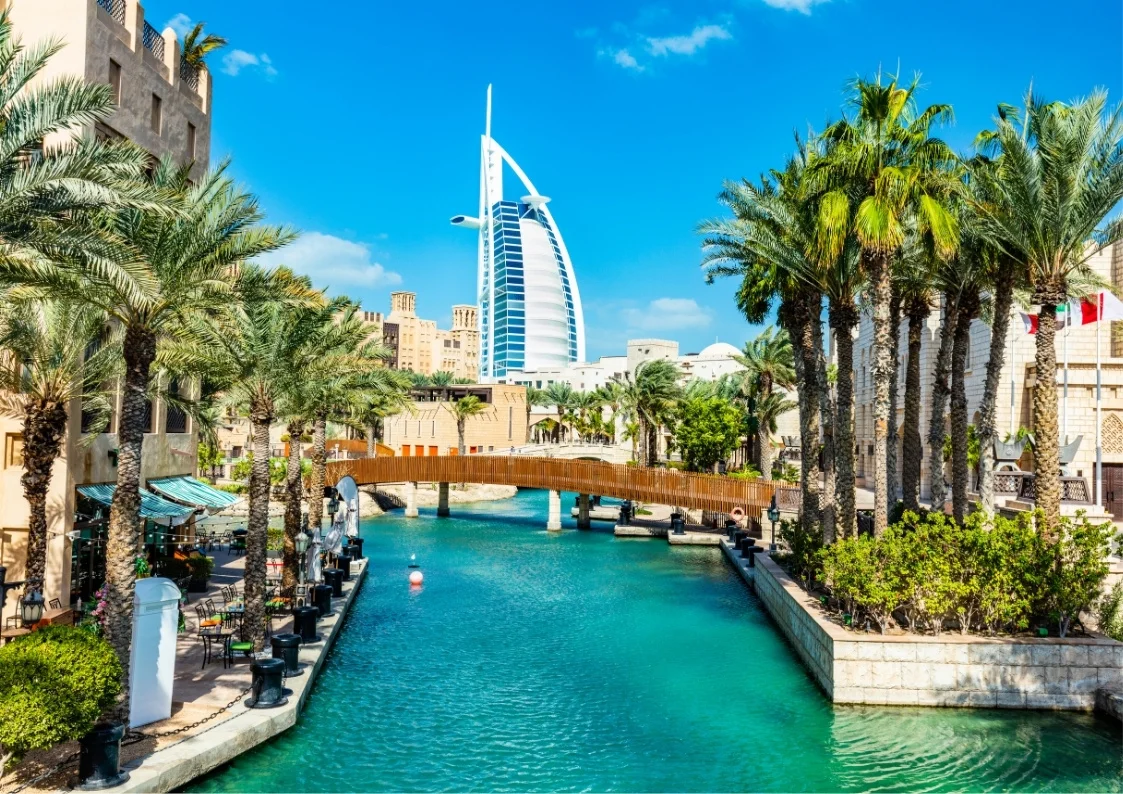
Dubai is not just a city of tall towers and ambitious projects but it is a magnet for the world’s wealthy.
As of 2025, the emirate is home to more than 72,500 high-net-worth individuals (HNWIs), including over 200 centi-millionaires and at least 15 billionaires. In 2024 alone, 7,200 new millionaires chose the UAE, cementing its place as the world’s leading wealth hub.
The trend is not new. Since the early 2000s, when Dubai opened its property market to foreign buyers, it has consistently ranked among the top five global cities attracting the most millionaire migrants. By 2035, the millionaire population is expected to double as the city’s wider population passes the five-million mark.
Wealthy families are drawn by the same mix that has powered Dubai’s rise for two decades: political and economic stability, zero income tax, attractive residency options such as the Golden Visa, and an enviable lifestyle. New research from Savills even ranked Dubai and Abu Dhabi the top two cities worldwide for HNWIs to live and work.
Knight Frank’s 2025 report describes Dubai as “a wealth hub that has successfully transitioned from regional player to global force.” The numbers bear that out. The UAE now ranks as the world’s 14th largest wealth market, with millionaire numbers doubling in just a decade.
The greatest share of inbound millionaires has come from India (31 percent), followed by the wider Middle East (20 percent), Russia and CIS (14 percent), and the UK and Europe (12 percent). This migration is not just about lifestyle, it is also a hedge against political volatility elsewhere. As one Knight Frank analyst put it: “In a world defined by uncertainty, geographic diversification has become a strategic imperative.”
The UAE has capitalised on this moment with remarkable speed. In 2025, it is projected to welcome a record 9,800 relocating millionaires, more than any other country and over 2,000 ahead of the United States in second place.
The investment game
On average, new HNWIs arriving from outside the Gulf spend $36.5 million on a property for living or investment. Ultra-wealthy individuals spend significantly more, fuelling Dubai’s prime residential market. In 2024, property deals worth $10 million or more accounted for around six percent of all sales by value. Palm Jumeirah remains the crown jewel, followed closely by Emirates Hills.
This influx is also reshaping Dubai’s financial centres. The Dubai International Financial Centre (DIFC) has become a hotspot for family offices, which manage intergenerational wealth. DIFC now hosts 120 family offices controlling $1.2 trillion in assets, with the number of hedge funds, foundations, and asset managers surging by double-digit percentages in the past year.
Dubai’s rise has not been without challenges – global crises, pandemics, and market cycles have tested resilience. Yet each cycle has left the city stronger, its appeal intact. Wealth migration is not slowing. By 2026, another 10,000 millionaires are forecast to arrive, largely from London, Mumbai, Moscow, and Beijing.
For Dubai, the message is clear: the city has moved beyond being a regional haven for wealth. It is now a global capital where the world’s richest not only park their money but also build their lives.