


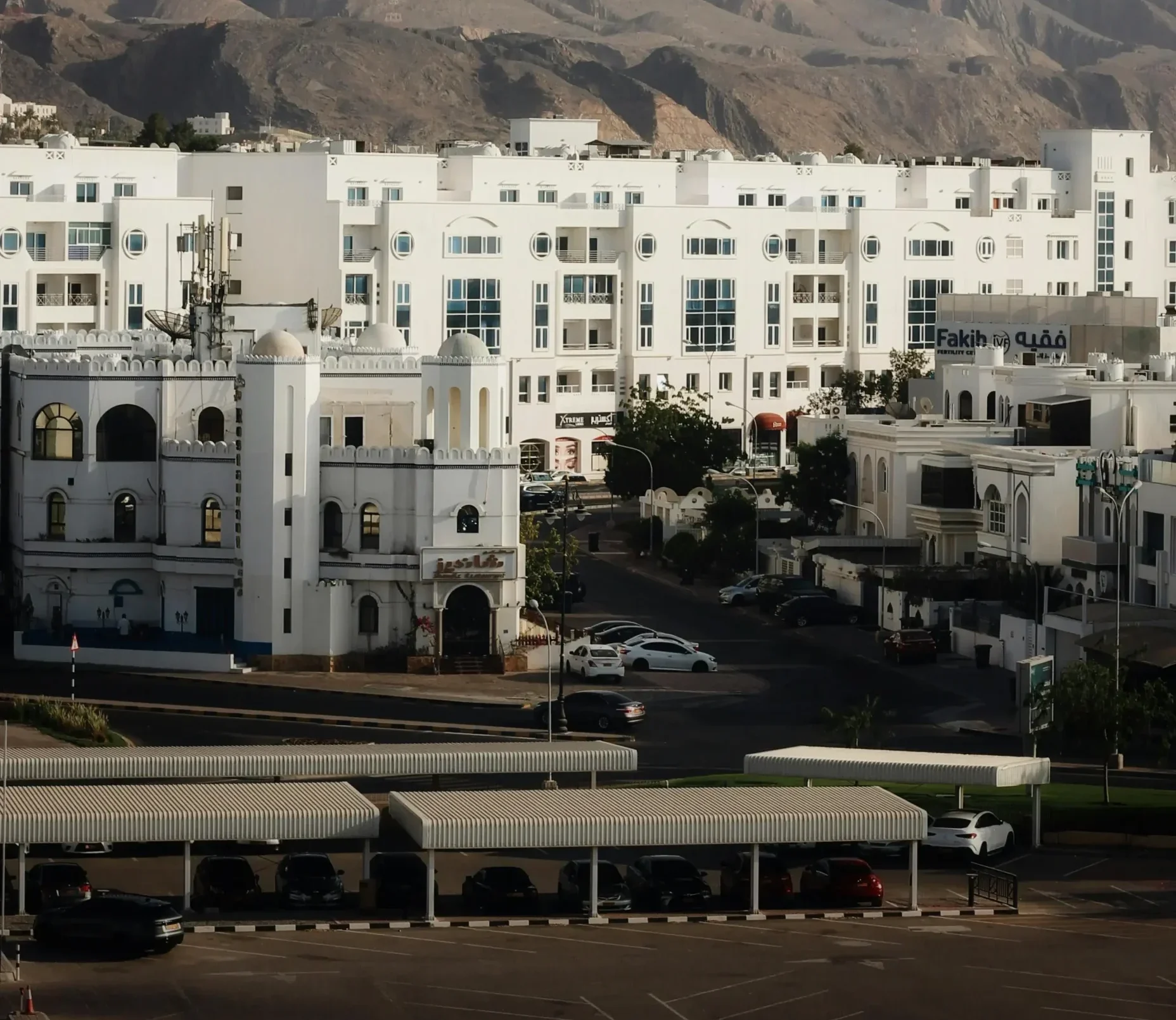
Oman is set to open 9,600 new hotel rooms by 2030, with 2,600 expected to be completed by the end of 2025, according to Cavendish Maxwell. The new supply will expand the country’s existing stock of 36,000 rooms by more than 25 per cent.
The firm’s latest Oman Hospitality Market Performance report shows that 3- to 5-star hotel revenues rose to OMR141.2 million ($367 million) in the first half of 2025, up 18 per cent from the same period last year. Room revenues alone reached OMR83.7 million ($217.5 million), an increase of nearly 22 per cent.
The strong performance drove a 4.8 per cent rise in hospitality employment, with 10,800 people now working in the sector. Between January and June, 3- to 5-star hotels hosted 1.1 million guests, a 9.2 per cent year-on-year increase.

Khalil Al Zadjali, Head of Oman at Cavendish Maxwell, said Oman’s hospitality sector is entering “a new era, driven by population growth, evolving travel patterns and strategic government investment.”
He added that domestic travel has risen in line with population growth, with Omanis taking longer trips and spending more per visit. Gulf visitors still account for more than a quarter of total arrivals, but numbers from Europe, India and China are also climbing.
“With tourism expected to contribute five per cent to GDP by 2030 – and 10 per cent by 2040 – the sector is set to overtake transport and logistics to become Oman’s second most important industry after hydrocarbons,” Al Zadjali said.
He added that Oman must continue rejuvenating its hotel sector, diversifying tourism beyond Muscat, and encouraging new investment, development and construction.
Cavendish Maxwell’s report highlights:
• Average hotel occupancy reached almost 55 per cent in H1 2025, up 14 per cent year-on-year
• Average room rate stood at OMR47.7 ($124)
• Domestic travellers accounted for over one-third of hotel guests
• Muscat Airport handled 90 per cent of arrivals; Salalah Airport 9.5 per cent
Hotel occupancy peaked in January and April at 65 per cent, driven by domestic and international tourism and government initiatives positioning Oman as a year-round global destination. Despite higher guest volumes, average room rates remained stable, indicating growth came from occupancy rather than pricing.
Omani nationals made up the largest share of guests in 3- to 5-star hotels, totalling nearly 370,000 (33.6 per cent). Europeans followed with over 344,000 (31.1 per cent), Asians 157,000 (14.3 per cent), and GCC visitors 7.3 per cent. The fastest growth came from Oceania.
More than 90 per cent of air travellers arrived through Muscat International Airport, while Salalah handled 9.5 per cent. Passenger volumes are projected to reach 50 million by 2040, with six new regional airports planned by 2030 in locations including Al Jabal Akhdar, Masirah Island and Sohar, bringing the total to 13 airports nationwide.
Earlier this year, Oman’s Ministry of Heritage and Tourism launched global promotional campaigns to strengthen the country’s profile as a tourism destination, including plans to open new representative offices in key source markets such as Russia, Spain, Latin America, China and Southeast Asia.
Muscat, Salalah and Jabal Akhdar are all undergoing major tourism development. The Oman Botanic Garden is set for handover later this year, the Muttrah Cable Car will open in 2026, and the upcoming Boulevard Raza in Salalah will feature the Salalah Eye as its centrepiece attraction.
In Jabal Akhdar, a new mixed-use mountain destination is planned, featuring 2,500 homes, 2,000 hotel rooms and a health and wellness village at an altitude of 2,400 metres. The Jabal Akhdar Park opened earlier this year.