

Abu Dhabi’s property market is accelerating into a new growth phase marked by rising prices, record rents, and sustained investor appetite that continues to outstrip supply. Market insiders say the capital is still in the early stages of a long upcycle, with its premium waterfront districts leading the charge.
When Abu Dhabi first passed the Real Estate Regulation Law in 2005, expatriates were limited to owning apartments and floors—excluding land—under four systems. That changed decisively in 2019, when an amendment allowed foreign nationals to own real estate within designated investment zones. The law opened ownership to Emiratis, public joint-stock companies with up to 49 percent foreign shareholding, and individuals granted approval by the Executive Council.
Non-Emiratis can now acquire full ownership or long-term rights in investment zones through musataha (up to 50 years, renewable) and usufruct (up to 99 years) contracts. Both permit property disposal and mortgage rights, while landlords require the holder’s consent to mortgage the land.
The Abu Dhabi City Municipality has since expanded access to nearly 30 freehold investment zones, spanning Yas Island, Saadiyat Island, Al Reem Island, Al Shamkha, Shakhbout City, Al Reef 2, and Al Jurf. The move effectively levels the playing field with Dubai’s freehold system and positions the capital as a magnet for long-term global capital.
An investor-friendly landscape takes shape
By early 2025, foreigners could buy property across nine prime areas – Yas, Saadiyat, Reem, Maryah, Lulu, Al Raha Beach, Sayh Al Sedairah, Al Reef, and Masdar City, each catering to distinct investor profiles.
Foreign direct investment in Abu Dhabi’s property sector reached $227 million in 2024, up 363 percent from 2022.
Reports by The Business Year and JLL highlight the emirate’s rising transparency, diversified economy, and infrastructure-backed growth. The UAE capital ranked among the top five global improvers in JLL’s Global Real Estate Transparency Index (2024), underscoring its maturity and investor confidence.
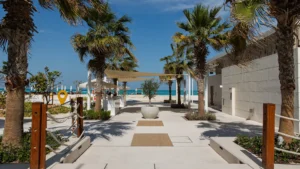
Abu Dhabi is increasingly viewed as a haven for wealth migration. Bloom Holding data shows the emirate now hosts the highest number of luxury properties in the UAE—352 homes valued above $1 million—and saw a 202 percent rise in property values between 2020 and 2025.
In 2024, the city recorded 25,046 sales and mortgage deals worth $21.6 billion, with mortgage transactions alone exceeding $8.9 billion. Rents rose five percent year-on-year, the sharpest increase in a decade, while residential prices climbed nine percent.
Affordability and luxury segments both expanded: Al Reef and Khalifa City remained popular for budget-friendly villas, while Al Reem Island and Al Raha Beach attracted premium buyers. The priciest waterfront stock sits on Yas and Saadiyat Islands, home to high-net-worth individuals and long-term investors.
Pricing and visa advantage
According to Sands of Wealth, the average price per square metre in freehold areas is around AED 18,000, compared to AED 9,000 in leasehold zones. Investors purchasing property worth AED 2 million or more qualify for the Golden Visa, adding residency benefits to portfolio value. Only 7.1 percent of Abu Dhabi’s 2025 residential pipeline was delivered in H1, but 33,000 new units are expected by 2030.
H1 2025 data from the Abu Dhabi Real Estate Centre (APREC) showed AED 52 billion in transactions, a 39 percent year-on-year rise, confirming sustained momentum. Apartment values rose 5.9 percent YoY, while villa prices jumped 10.1 percent YoY, with average annual rents of AED 117,000 for apartments and AED 249,000 for villas.
Waterfront wealth: the five districts shaping the skyline
Al Reem Island
Urban convenience meets tranquil waterfront living. Lagoon-facing plots and towers overlooking the Gulf have made Reem one of Abu Dhabi’s top performers, with off-plan prices up 38 percent YoY in Q2 2025.
Projects now blend biophilic design and green terraces, attracting buyers seeking central, nature-integrated homes.
Saadiyat Island
A harmony of culture and conservation. Home to the Louvre Abu Dhabi, eco-protected beaches, and coral reefs, Saadiyat offers villas with private pools and landscaped gardens. Knight Frank reported 28 percent villa price growth in H1 2025, the highest in the capital. Its blend of heritage and sustainability cements it as Abu Dhabi’s most exclusive enclave.
Yas Island
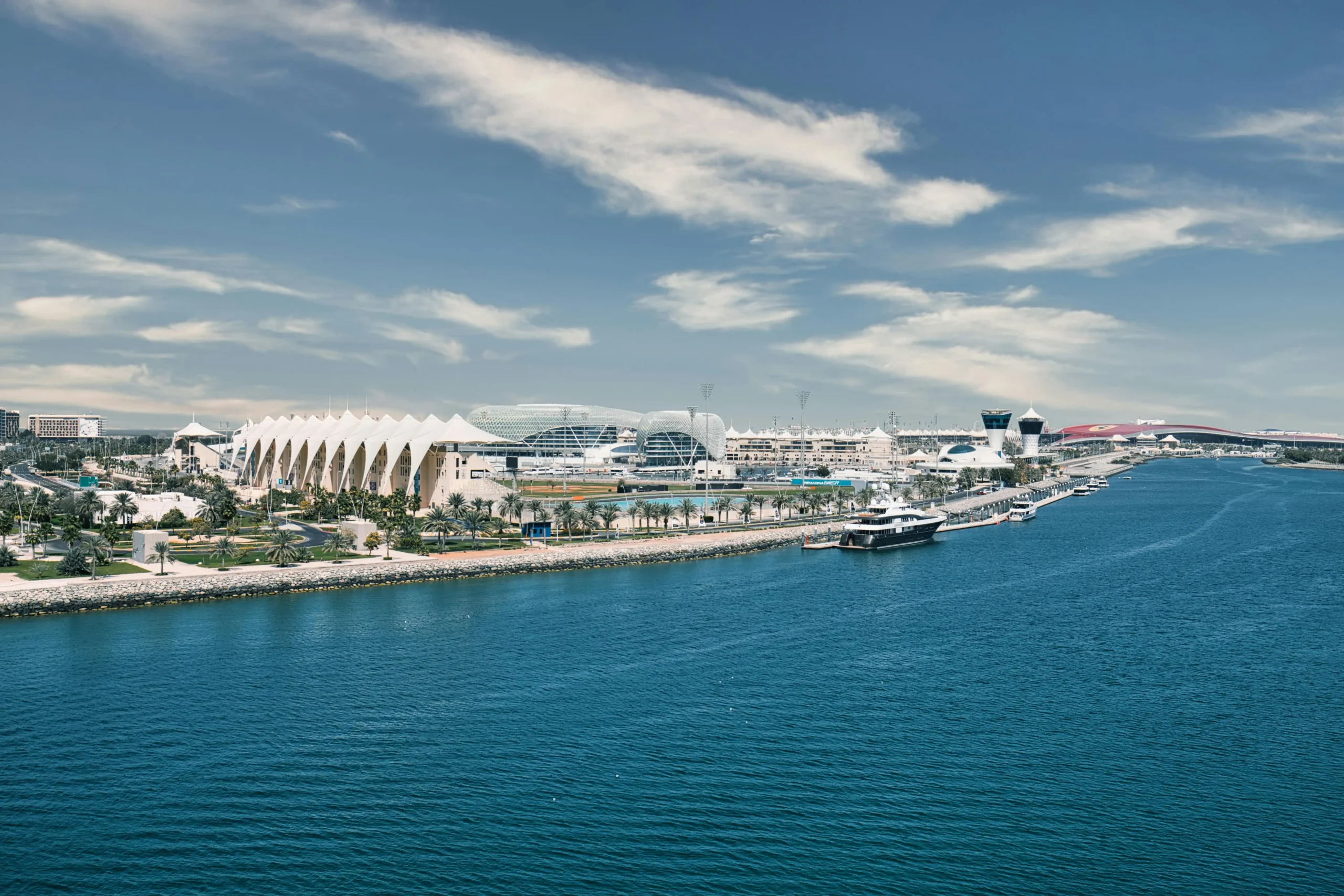
A leisure powerhouse anchored by Ferrari World, Yas Marina Circuit, and expansive green parks. Transaction values reached AED 5.86 billion in H1 2025, with sustained interest in eco-conscious projects. Yas continues to combine resort-style living with sound long-term returns.
Al Maryah Island
Abu Dhabi’s financial and lifestyle nucleus, Al Maryah fuses Grade-A business spaces with scenic boardwalks and marina-view apartments. Integrated planning and resilient infrastructure have positioned it as a model for mixed-use waterfront development.
Al Fahid Island
Strategically located between Yas and Saadiyat, Al Fahid Island is the newest addition to Abu Dhabi’s luxury waterfront map. Spanning 6,000 residential units and an 11 km coastline, the project emphasises wellbeing, education, and outdoor living. The upcoming King’s College School Wimbledon campus (2028) signals long-term community value.