

Saudi Arabia’s five-year freeze on rent increases for residential and commercial properties in the capital comes as a relief for tenants as it locks in affordability at a time when rental demand has been surging. For investors, the impact is more complex.
The sweeping measure has been designed to curb rental inflation and restore balance to Riyadh’s fast-moving real estate market. Ratified by the Cabinet and enacted through royal decree on September 25, the regulations reflect Crown Prince Mohammed bin Salman’s directive to safeguard tenant and landlord rights, enhance transparency, and support sustainable urban growth. Officials say the framework, developed in line with international best practices, is expected to bring stability to the sector and ease financial pressure on tenants, many of whom are expatriates. The freeze, however, could reshape investment dynamics in a city where rents have grown by an average of 10 per cent annually since the post-COVID reopening.
Analysts note that while the freeze will cool short-term rental inflation, it may also temper appetite for income-generating properties in Riyadh, potentially redirecting some capital to other Saudi cities. A gradual correction is anticipated over the next two years, with rents likely to return to 2022–2023 levels by 2027, a pattern that mirrors Toronto’s market adjustment after Canada imposed foreign buyer restrictions in 2023.
Long term prospects
Despite this short-term cap, Riyadh’s long-term prospects remain intact. With foreign investment expected to open more widely by 2026, the city is being positioned as a global real estate hub under Vision 2030. Predictable yields, sustained demand, and the draw of giga projects such as NEOM and Diriyah are expected to underpin investor confidence.
Analysts also suggest that Riyadh could outperform Dubai by 2030 in capital appreciation, particularly in villas and commercial assets, where limited land supply and corporate demand are driving long-term value.
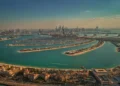
Dubai, by contrast, continues to attract investors seeking short-term rental yields, particularly in apartments, where returns of six to eight per cent remain achievable. Yet the emirate faces volatility and a potential softening as new supply enters the market. Other GCC capitals, including Doha, Manama and Muscat, remain more stable but offer lower yields and smaller investor pools, positioning them as niche rather than headline destinations.
Looking ahead, Riyadh’s rent freeze is less about restricting investment than about managing growth. It buys time for the government to expand infrastructure, implement Vision 2030 housing initiatives, and ensure the market matures with greater transparency. For investors, the freeze may cap immediate rental income, but it does not diminish long-term appreciation potential. If anything, by the end of the decade, Riyadh could emerge as the region’s most dynamic real estate market, with capital growth outpacing even Dubai’s.
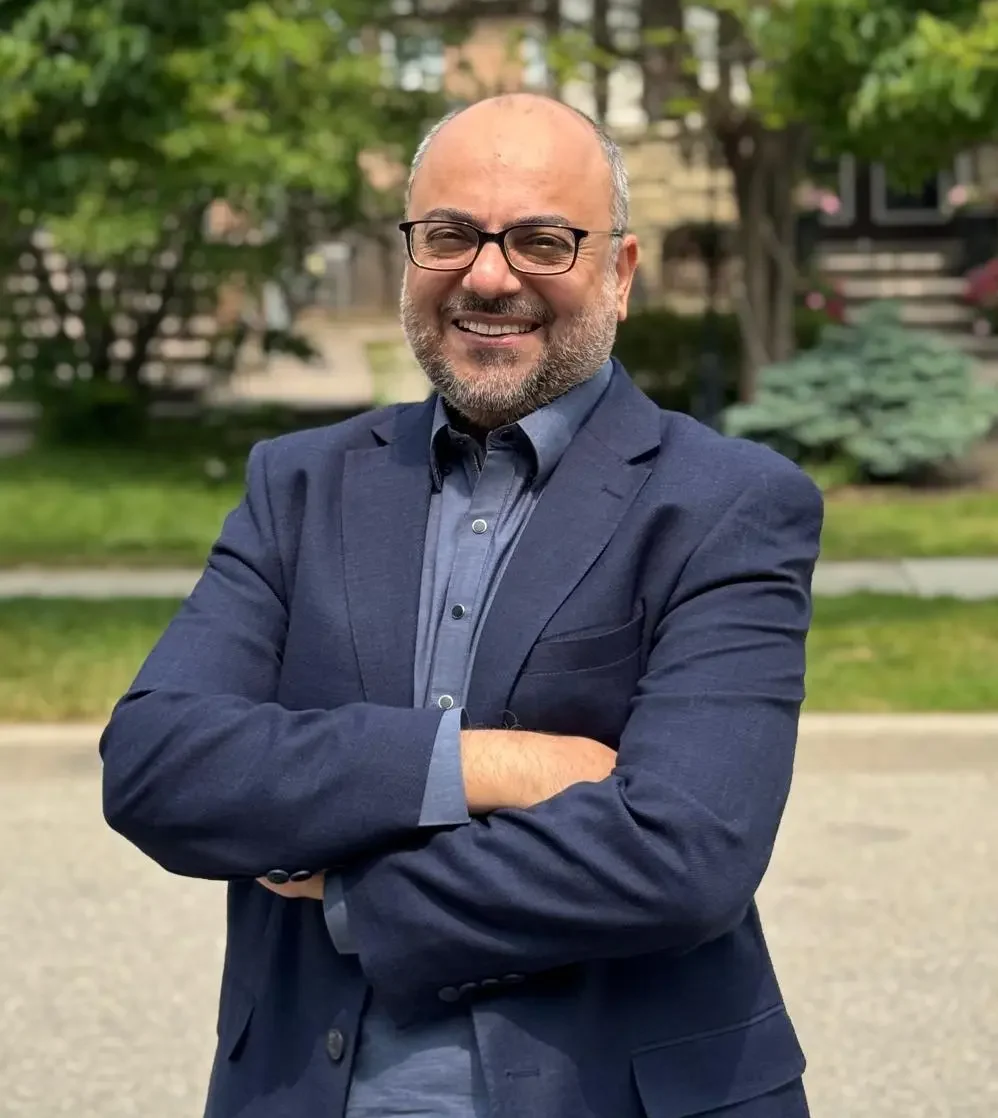
Mohsin Ali Zain is a Premium Residency holder in Saudi Arabia and has been based in the Kingdom for more than a decade.