

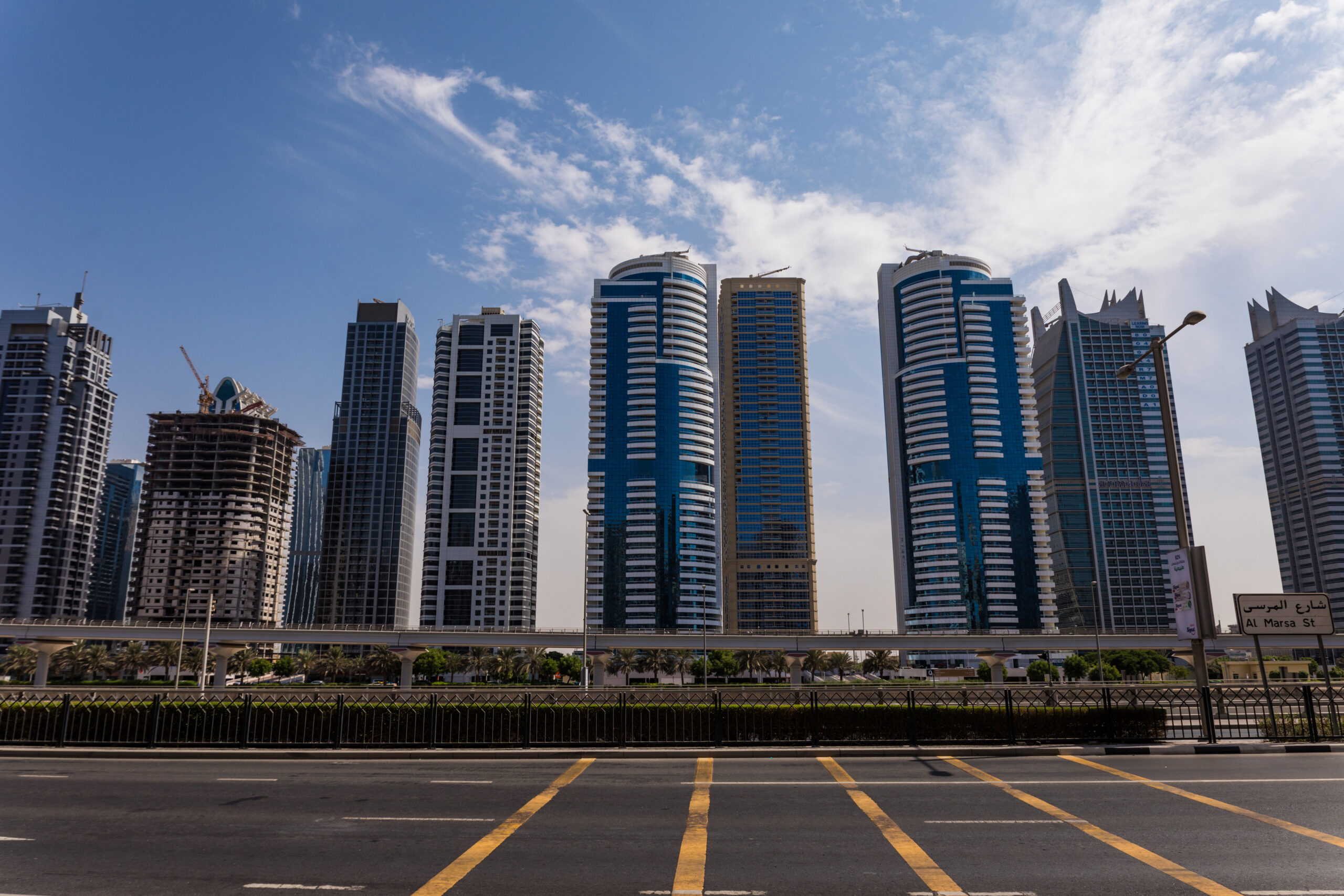
Saudi Arabia is preparing for a property boom as it moves to allow expatriates to directly own real estate from January 2026.
The landmark reform, approved in July 2025 under Royal Decree No. M/14, repeals decades of restrictions and permits non-Saudi individuals and companies — both residents and non-residents — to buy and invest in property within designated areas.
The change comes as the Kingdom faces an annual housing shortfall of 115,000 to 160,000 units, with its residential market projected to exceed $310 billion by 2030. Increasing home ownership is central to the country’s Vision 2030 strategy, which targets a 70 per cent ownership rate while drawing foreign capital to support urban expansion.
Saudi Arabia is already the region’s largest economy and ranked 19th globally, with GDP surpassing $1 trillion in 2023. Its property sector continues to show strong momentum: real estate transactions reached $29 billion in Q1 2025, while residential sales in 2024 surged 38 per cent to SAR165 billion, the highest level since 2015.
Under the new law, non-Saudis, including companies, diplomatic missions, and nonprofit organisations, can acquire freehold rights, usufruct rights, and easements in areas defined by the Real Estate General Authority. Makkah and Madinah will remain subject to special conditions, restricted to Muslim buyers. Transactions must be recorded in the national Real Estate Register, with disposal fees of up to five per cent.
The reform is expected to unlock significant pent-up demand, especially from Muslim high-net-worth investors. A Knight Frank survey shows 84 per cent of global Muslim HNWIs are interested in Saudi property, with Riyadh topping the list. Apartment prices in the capital rose 10.6 per cent in Q2 2025 to SAR6,175 per square metre, supported by demand in transit-linked districts and the launch of the Riyadh Metro in late 2024.
Despite construction costs in Riyadh now averaging $2,593 per sq m — the highest in the Middle East — foreign inflows are projected to accelerate as supply expands. By 2030, the Kingdom will need between 800,000 and 1.5 million new units to house its growing population and expatriate workforce.
This policy shift follows decades of gradual liberalisation, from the Foreign Investment Law of 1955 to reforms between 2016 and 2018 that boosted Saudi Arabia’s World Bank Doing Business ranking by 30 places. With the real estate sector valued at an estimated $2.3 trillion in 2025, the new ownership law positions the Kingdom as the Gulf’s next magnet for global real estate investment.